• September 9, 2026
Through My Eyes: What I Wish You Knew About My Autism

Navigating the autism spectrum in girls often requires recognizing subtle autistic masking symptoms and understanding autistic children beyond what is visible on the surface. By utilizing effective neurodiversity parenting tips, families can better manage challenges like autism meltdowns at home vs school and create supportive environments. Whether you are seeking practical insights or supporting autistic children ABA therapy, this guide offers valuable perspective and actionable support.
Through My Eyes
What I Wish You Knew About My Autism
Sometimes I wish you could borrow my eyes for just a little while.
Not because I want you to fix me.
Not because I want you to feel sorry for me.
Just because I think you’d understand me a little better.
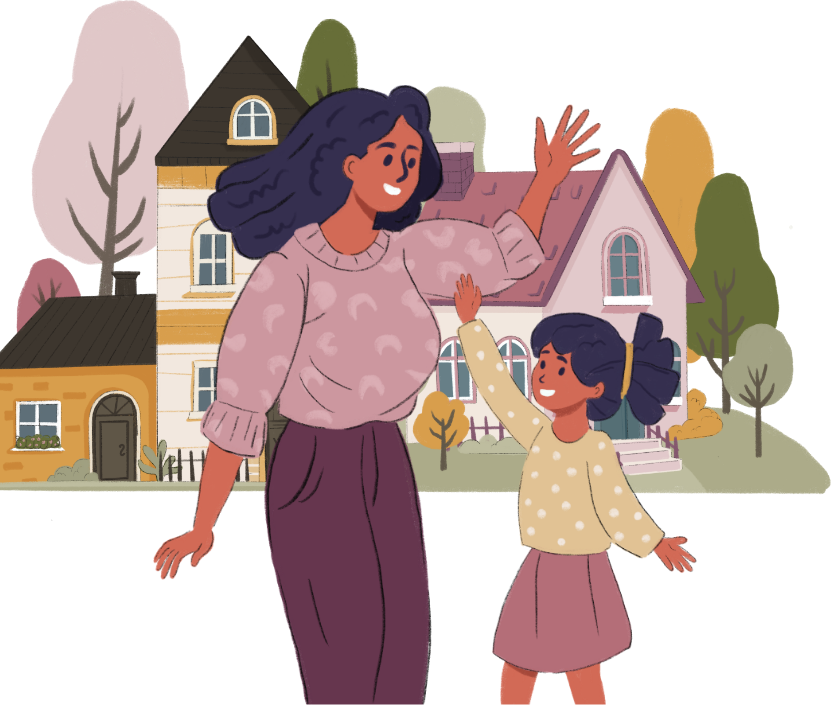
When you look at me, you probably see a little girl who smiles, laughs, plays, answers questions, and seems to be doing just fine. You might even think, “She doesn’t look autistic.”
The truth is, autism doesn’t have a look.
What you don’t always see is how hard I’m working every single second.
I’m listening to every sound in the room at once. The lights feel brighter than they do for you. My clothes sometimes feel itchy even though you can’t see it. I notice tiny details everyone else walks right past. My brain is trying to organize a thousand pieces of information while everyone else seems to know exactly what to do without thinking.
Sometimes I watch everyone around me and quietly learn how they’re supposed to act.
I notice when people laugh.
I notice when they make eye contact.
I notice how long they’re supposed to talk.
I notice when they’re expected to smile.
So I try to do those things too.
People call it masking.
To me, it feels like trying to remember the script to a play that everyone else was born knowing.
Some days I get it right.
Some days I’m so exhausted from trying that I don’t have anything left when I get home.
You might wonder why I’m calm at school but fall apart in the car.
Or why everyone tells my mom I had a wonderful day, but I melt down the minute I walk through the front door.
It’s not because I’m being difficult.
Home is where I finally feel safe enough to stop pretending everything is okay.
It’s the place where I don’t have to keep holding everything inside.
Please don’t think those hard moments erase all the good ones.
They don’t.
I love deeply.
I laugh loudly.
I notice kindness that other people miss.
I celebrate the little things.
I feel joy with my whole heart.
I also feel disappointment, confusion, fear, and frustration just as deeply.
Sometimes I can’t explain what I’m feeling before it becomes too big.
Sometimes my body tells the story before my words can.
When I repeat a question, it’s because I’m looking for certainty.
When I cover my ears, it’s because the world got too loud.
When I need to move, it’s because my body is trying to help my brain feel organized.
When I need a break, I’m not giving up.
I’m protecting myself from becoming overwhelmed.
Please don’t measure my progress by how “normal” I look.
Measure it by how safe I feel.
By how confident I’m becoming.
By how often I know someone accepts me exactly as I am.
The people who have changed my life the most weren’t the ones who tried to make me fit into the world.
They were the ones who slowed down long enough to step into mine.
My mom does that.
She celebrates things other people don’t notice.
She sees the victories that happen quietly.
The first time I tried something new.
The moments I used my words instead of shutting down.
The courage it took just to walk into a crowded room.
Those victories matter.
Maybe more than anyone realizes.
If you’re raising a child like me, I want you to know something.
Your child isn’t trying to give you a hard time.
They’re probably having a hard time.
And the way you respond becomes the voice they carry with them.
Your patience teaches safety.
Your curiosity teaches trust.
Your belief in them becomes something they eventually believe about themselves.
I don’t need a perfect world.
I just need people willing to understand mine.
Because underneath the masking…
Underneath the meltdowns…
Underneath the uncertainty…
I’m still me.
A little girl who wants friends.
Who wants to be understood.
Who wants to belong without pretending to be someone else.
And maybe, if you looked through my eyes for just a moment…
You’d see that I was never broken.
I was simply hoping someone would meet me where I am.
Understanding the Autistic Experience
When exploring the autism spectrum in girls, it is essential to recognize how autistic masking symptoms can present unique challenges. Many young girls spend immense energy copying social cues to blend in, making understanding autistic children and their subtle efforts crucial for parents and educators alike.
Sensory differences also play a significant role in everyday interactions. Implementing neurodiversity parenting tips can help create safe, supportive environments that accommodate sensory sensitivities rather than forcing children to overwhelm themselves.
Many families encounter autism meltdowns at home vs school, often known as after-school restraint collapse. When supporting autistic children ABA therapy can offer compassionate, tailored strategies to reduce stress and help kids process their emotions in an accepting space.
A Note from Haim ABA
Every autistic child experiences the world differently, and every story is unique. This piece is inspired by one little girl’s journey and the love of a mother learning to see the world through her daughter’s eyes. At Haim ABA, we believe meaningful support begins with understanding, honoring each child’s individuality, and creating spaces where they can grow without losing who they are.
When we choose connection before correction and curiosity before assumptions, we create opportunities for children to feel seen, safe, and celebrated for exactly who they are.


Your child's journey starts here and
goes farther than
you can imagine.
Ready to get started?
Or give us a call at Haim HQ (855) 511-4246